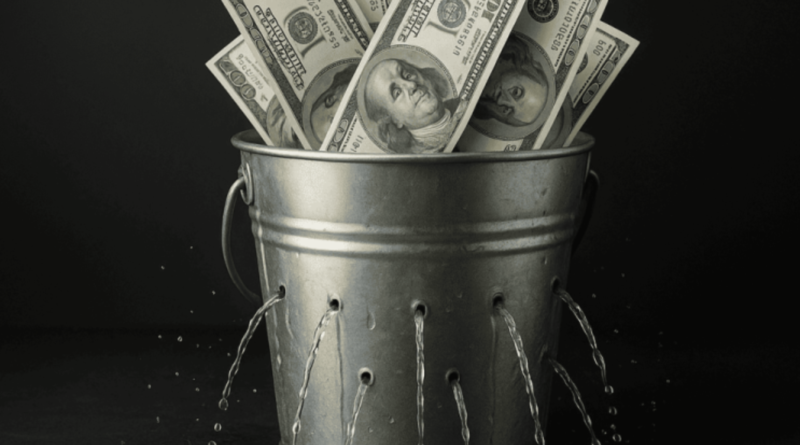
The “Money Leaks” Trap: 7 Hidden Expenses Quietly Destroying Your Finances in 2026
In personal finance, most people focus on increasing income or finding better investments. While these strategies are important, there is another powerful factor that often goes unnoticed: money leaks.
The concept of money leaks refers to small, recurring expenses that quietly drain your finances over time. Individually, these costs may seem insignificant, but when combined, they can consume thousands of dollars every year.
In 2026, rising living costs and subscription-based services have made money leaks more common than ever. Many households are losing money every month without realizing where it is going.
Understanding how money leaks work and learning how to identify them can dramatically improve your financial health without requiring major lifestyle changes.
This guide reveals the 7 most common money leaks that silently damage your finances and shows practical strategies to stop them before they grow.
What Are Money Leaks?
A money leak is any recurring expense that provides little or no real value but continues to drain your budget.
Unlike essential expenses like rent, groceries, or transportation, money leaks usually happen automatically and quietly.
Examples include forgotten subscriptions, bank fees, impulse purchases, or inefficient financial habits.
The biggest problem with money leaks is that they are often invisible. Because they are small and frequent, people rarely notice how much money they are losing over time.
Financial experts estimate that the average household loses hundreds or even thousands of dollars per year because of unnoticed money leaks.
Why Money Leaks Are Increasing in 2026
The number of money leaks has increased significantly in recent years due to several economic and technological changes.
Subscription Economy
Streaming platforms, apps, and online services now rely heavily on monthly subscriptions. Many people sign up for services and forget about them.
These small recurring payments become powerful money leaks when accumulated.
Digital Payments
With contactless payments and automatic billing, spending money has become frictionless. While convenient, this also makes it easier to overlook unnecessary expenses.
Lifestyle Convenience
Modern services offer convenience for everything: food delivery, express shipping, premium memberships, and more.
While convenient, these services can create continuous money leaks if not monitored carefully.
7 Hidden Money Leaks That Destroy Your Budget
1. Forgotten Subscriptions
Subscription services are one of the biggest sources of money leaks today.
Streaming platforms, cloud storage services, fitness apps, and premium memberships often renew automatically.
Many people continue paying for services they rarely use.
Reviewing your monthly statements can reveal subscriptions that are no longer necessary.
2. Bank Fees and Financial Charges
Many people unknowingly lose money through bank fees.
Common examples include:
- Maintenance fees
- Overdraft charges
- ATM withdrawal fees
- Foreign transaction fees
While each fee may appear small, they accumulate quickly over time and become serious money leaks.
3. Food Delivery Convenience
Food delivery services are extremely convenient but often expensive.
Delivery charges, service fees, and tips can double the cost of a meal.
Frequent delivery orders can quietly become one of the largest money leaks in a monthly budget.
4. Impulse Online Purchases
Online shopping platforms are designed to encourage quick purchases.
Flash sales, limited-time offers, and personalized recommendations create a sense of urgency.
These impulse purchases are often unnecessary and contribute to ongoing money leaks.
5. Underused Gym Memberships
Gym memberships are another common source of money leaks.
Many people sign up with strong motivation but gradually stop attending while still paying the monthly fee.
If a membership is rarely used, it becomes a recurring financial drain.
6. Automatic App Purchases
Mobile apps often include in-app purchases, upgrades, or premium features that renew automatically.
Over time, these micro-transactions can become significant money leaks.
Monitoring app store payments can help identify these hidden charges.
7. Inefficient Insurance Plans
Insurance is essential, but outdated or overpriced plans can create unnecessary expenses.
Many people continue paying for policies that no longer match their needs.
Reviewing insurance policies periodically can eliminate unnecessary financial leaks.
The Real Cost of Small Money Leaks
Small expenses may not seem important at first glance.
However, when they occur repeatedly, their long-term impact becomes significant.
For example:
- $10 per month equals $120 per year
- $30 per month equals $360 per year
- $100 per month equals $1,200 per year
When multiple money leaks occur simultaneously, the financial impact becomes even greater.
Many people could dramatically improve their savings simply by identifying and eliminating unnecessary expenses.
How to Identify Money Leaks in Your Budget
Stopping money leaks requires awareness and regular financial monitoring.
Review Your Bank Statements
Analyzing monthly bank statements can reveal recurring charges that might otherwise go unnoticed.
Audit Your Subscriptions
Creating a list of all subscriptions helps determine which services are truly valuable.
Track Small Purchases
Small transactions often represent the largest hidden spending categories.
Tracking them for a few weeks can provide surprising insights.
Simple Strategies to Stop Money Leaks
The good news is that money leaks are often easy to fix once they are identified.
Cancel Unused Subscriptions
If a service is not actively used, canceling it immediately prevents further financial waste.
Set Spending Alerts
Many banking apps allow users to receive notifications for recurring charges.
These alerts help maintain awareness of automatic payments.
Schedule Monthly Financial Reviews
A simple monthly review of finances can help detect new money leaks before they grow.
The Psychology of Spending Leaks
Many money leaks happen because of psychological spending habits.
People often underestimate small expenses while focusing only on large purchases.
However, small expenses repeated frequently can create significant financial impact.
Building awareness around daily spending is one of the most effective ways to improve financial discipline.
Why Fixing Money Leaks Is a Powerful Financial Strategy
One of the most effective ways to improve financial health is not by earning more money, but by preventing unnecessary losses.
Fixing money leaks can increase savings immediately without requiring a higher income.
Even small adjustments can create powerful financial results over time.
The money saved from eliminating leaks can be redirected toward savings, investments, or debt reduction.
The concept of money leaks shows how small, unnoticed expenses can quietly damage long-term financial stability.
By identifying hidden spending, reviewing subscriptions, and monitoring financial habits, it becomes possible to stop these leaks before they grow.
In many cases, improving financial health does not require dramatic changes. Instead, it requires awareness and smarter control over recurring expenses.
Eliminating money leaks is one of the simplest and most effective steps toward stronger financial security.
Which hidden expense do you think might be leaking money from your budget right now?